
They had dreams 1


 Look, Listen & Say
A. Shanta was chatting with one of her foreign friends Jenny. Read the dialogue and tell what the subject of their conversation is.
Jenny : Shanta, what's your dream for the future?
Shanta : To be a good human being first and then work for my country-no matter whether I become a social worker, an artist, or a professional.
Jenny : Wow! I really appreciate your thought! By the way, Shanta, does anyone inspire you in your dreams?
Shanta : Certainly. I'm always influenced by the great personalities in our country and abroad. Whenever I read the biography of great people, I try to understand how their dreams could help them to be what they have been.
Jenny : Would you please tell me about some of your favourite dreamers?
Shanta : Sure! Read the following texts to know about some dreamers in my country. They are my icons as well.
B. Read the text.
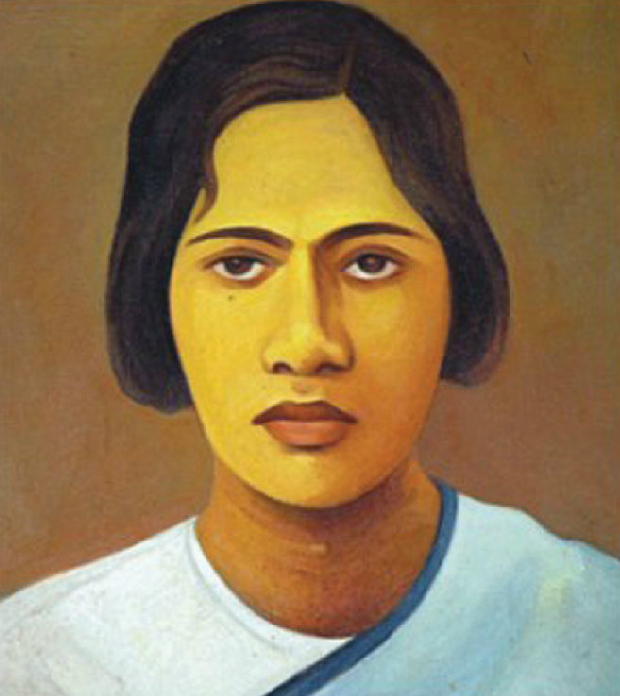
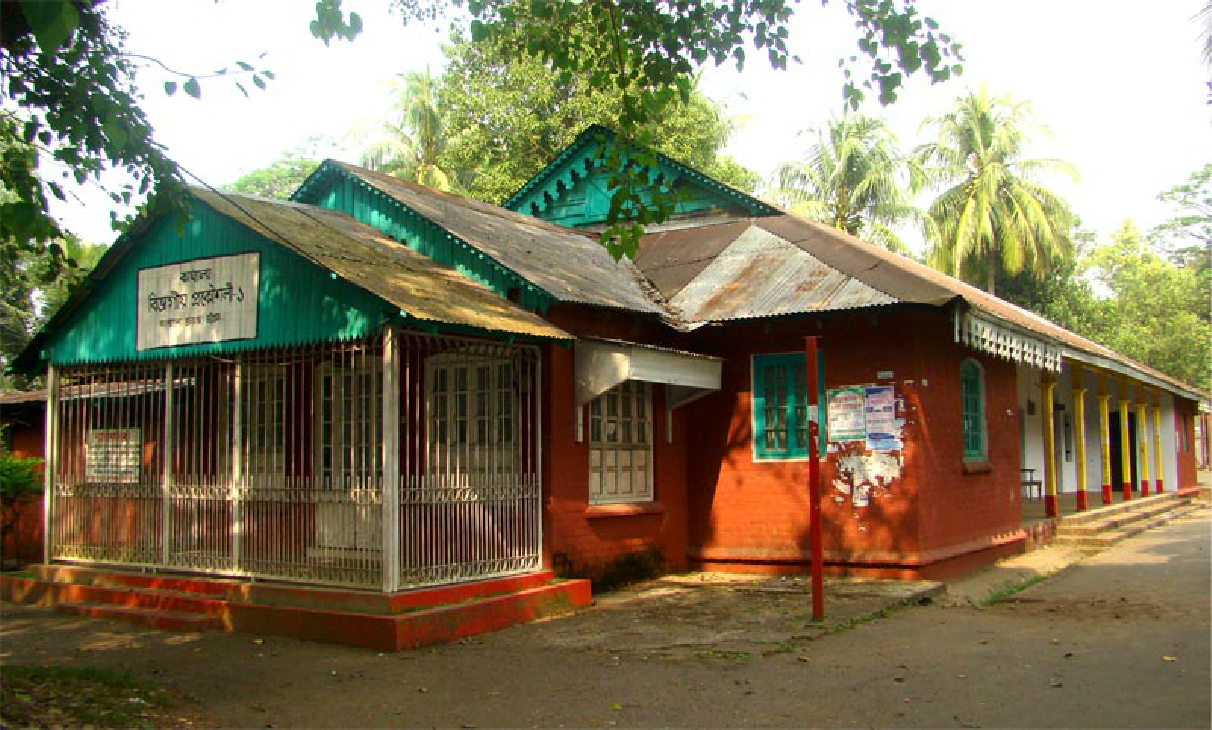
Pritilata Waddedar was born in Chittagong on 5 May 1911. She was a meritorious student at Dr Khaztagir Government Girls' School in Chittagong and Eden College, Dhaka. She graduated in philosophy with distinction from Bethune College in Kolkata. In her college days, Pritilata was an activist in the anti-British movement. All through her life, she dreamt of two things: a society without gender discrimination, and her motherland free from British colonial rule.
So she decided to fight against the British rule. Soon after, Pritilata became the head teacher of Nandankanon Aparna Charan School in Chittagong, Gradually she involved herself in Surja Sen's armed resistance movement. Surja Sen was a famous atni-British movement organizer and revolutionary activist in Chittagong area at that time. In 1932, Surja Sen planned an attack on the Pahartali European Club. The club was well-known for its notorious sign at its entrance: Dogs and Indians not allowed. Surja Sen assigned Pritlata to lead a team of 10-12 men to attack the Club. The raid was successful but Pritilata, dressed as a man, failed to get out of the Club. She committed suicide by taking potassium cyanide to avoid arrest. She proved that women can work like men. She also proved that women too needed to be prepared to sacrifice their lives for freedom from the British colonial rule. Her dream finally came true. The British rule came to an end in 1947 though she couldn't see it during her lifetime.