
Environmental pollution


 Look, Listen & Say
A. Look at the pictures below and discuss the questions.
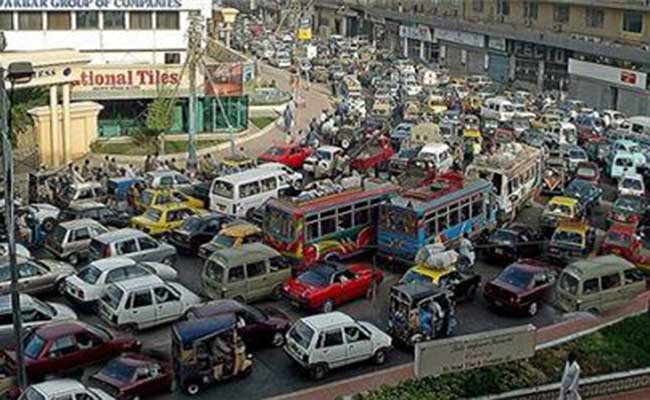
Picture 1
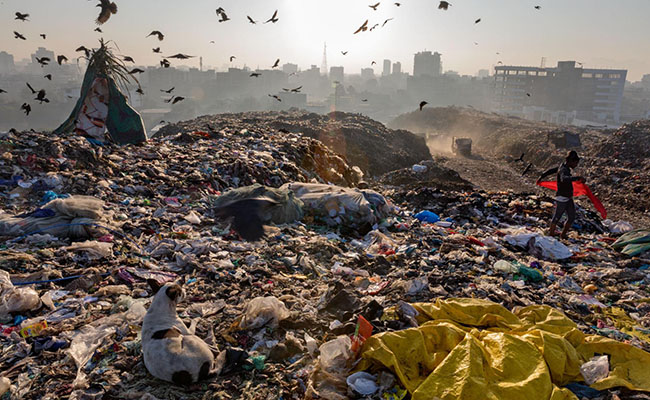
Picture 2
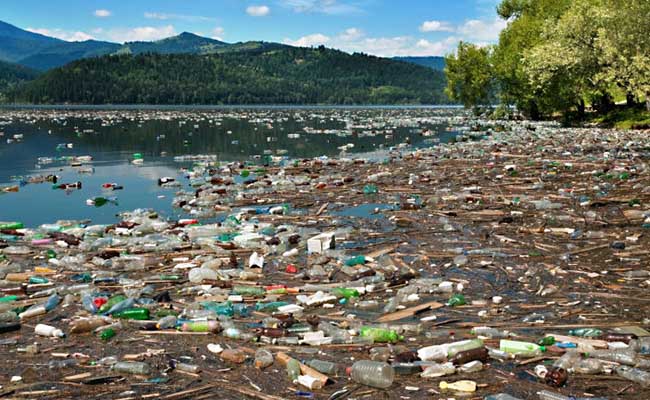
Picture 3
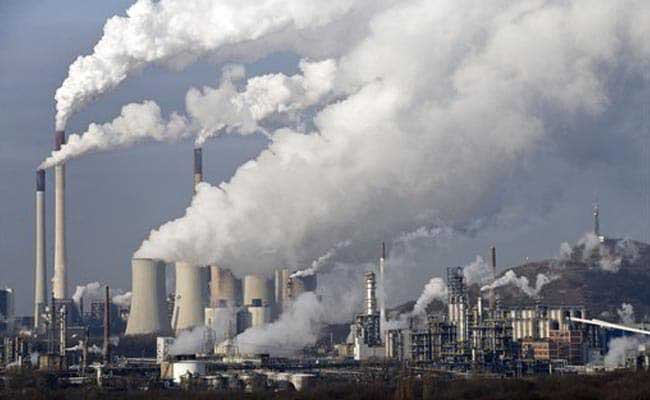
Picture 4
B. Now read the following passage to know more about environmental pollution in Bangladesh.
Bangladesh is now in the grip of all sorts of pollution like air pollution, soil pollution and water pollution. The dwellers of the urban areas are the worst sufferers of such pollution. The indiscriminate industrialisation process in Bangladesh over the past decades has created significant environmental problems. We will now read about some of the most common types of environmental pollutions and ways of coping with them.
Air pollution
Air pollution comes from a wide variety of sources. In Bangladesh poisonous exhausts from industrial plants, brick kilns, old or poorly-serviced vehicles and dust from roads and construction sites are some of the major sources of air pollution.
We can minimise this type of pollution by making less use of motor vehicles and avoiding the use of vehicles older than 20 years. We may also use proper lubricants to lessen the level of emission and pollutants. We can encourage people to use Compressed Natural Gas (CNG) or Liquid Petroleum Gas (LPG) for fuelling their cars. The government may relocate hazardous industries like brick kilns to areas away from human habitations.
Water pollution
Water pollution can occur in oceans, rivers, lakes, ponds and underground reservoirs. As different water sources flow together, the pollution can spread easily and quickly. Causes of water pollution include:
• increased sediment from soil
• erosion
• improper waste disposal and littering
• leakage of soil pollution into water supplies
• organic materials that decay in water supplies
In fact, polluting the land means polluting the water. Throwing away a toxic substance on the ground near a water source means it eventually reaches the body of water. As a result, the water is polluted. Industrial wastes must not be disposed in rivers or lakes. We need to be more careful about disposing household wastes too. Use of pesticides means that when it rains, chemicals used in the lawn or garden wash into the water bodies. Therefore, we must be aware of the dangers of using pesticides as they may pollute our rivers, canals and lakes.
Soil pollution
Among the most significant causes of soil pollution is the enormous volume of industrial waste which is being produced every day but not disposed properly. The mismanagement of household wastes, particularly the polythene shopping bags, has caused serious threat to the soil and the drainage system. Another cause for soil pollution is the use of agricultural pesticides, fertilizers, etc. Sometimes fuel leakages from automobiles may get washed away by rain and seep into the nearby soil.
Pesticides and fertilizers are useful for plant growth but their overuse has led to soil pollution. Natural fertilizers and compost can be used instead of their chemical alternatives. Recycling is another way to reduce and control soil Ñ pollution. Recycling papers, plastics and other materials reduces the volume of refuse in landfills. De-forestation also causes erosion, pollution and the loss of fertility in the topsoil. Planting trees and re-forestation help prevent soil erosion and pollution.