
What can we do?


 Activities
C. Listen to the teacher or CD and fill in the blanks.
| waste | reduce | buying | planned | money | over-packaged | garbage | disposable | replaced | huge |
There goes this saying: “Use less, less”. Human beings can take several steps to the effects of global warming. One of them is to reduce the amount of things that they use on a daily basis. We can start the process by less. First of all, we should make our list carefully so that we can have a shopping. This will save us from unnecessary purchase. This will also save us time and . Second, we can avoid buying and disposable goods. We should not buy things that use more than one wrapper, or else this will increase the amount of . We should also buy durable goods instead of ones because durable goods don’t need to be frequently. On the other hand, when the disposable goods are thrown away after use, they produce a amount of garbage. We should also use just the amount of things that we need to survive instead wasting.
A. Which of these actions will help the environment most? Rank them and share your rankings with your partner. Put the best at the top.
walk instead of drive
use 50% less water
stop eating meat
grow your own food
use energy-saving light-bulbs
turn heaters and AC down
invest in solar energy
turn off electrical goods at night
D. Read the “Reuse” section again and discuss with your partner the ways of reusing things. Add your own suggestions.
E. The “Recycle” section talks about a recycle sign that can be found on some goods. Find it out from the following signs and say what it means.
| 1. |  |
| 1. | 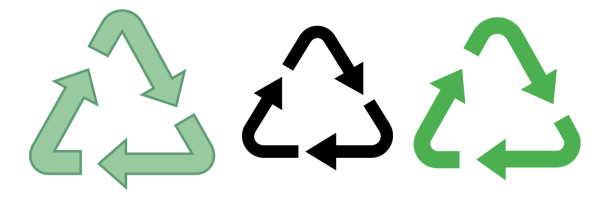 |
| 1. |  |
F. Project work. Find things at your home that you do not use anymore and that you are about to throw away. Make something new with them and present it in front of the class.